

I have been to restaurants in Soho whose denizens have crossed social and geographical barriers to reach them. In one, I have seen a girl sitting amid musical pandemonium with a book open on her knees and her little finger entwined with that of her true love. Of course she was not really listening and not really reading and not communicating with her friend in any way that required effort or style.
Quentin Crisp: Stop the Music for a Minute
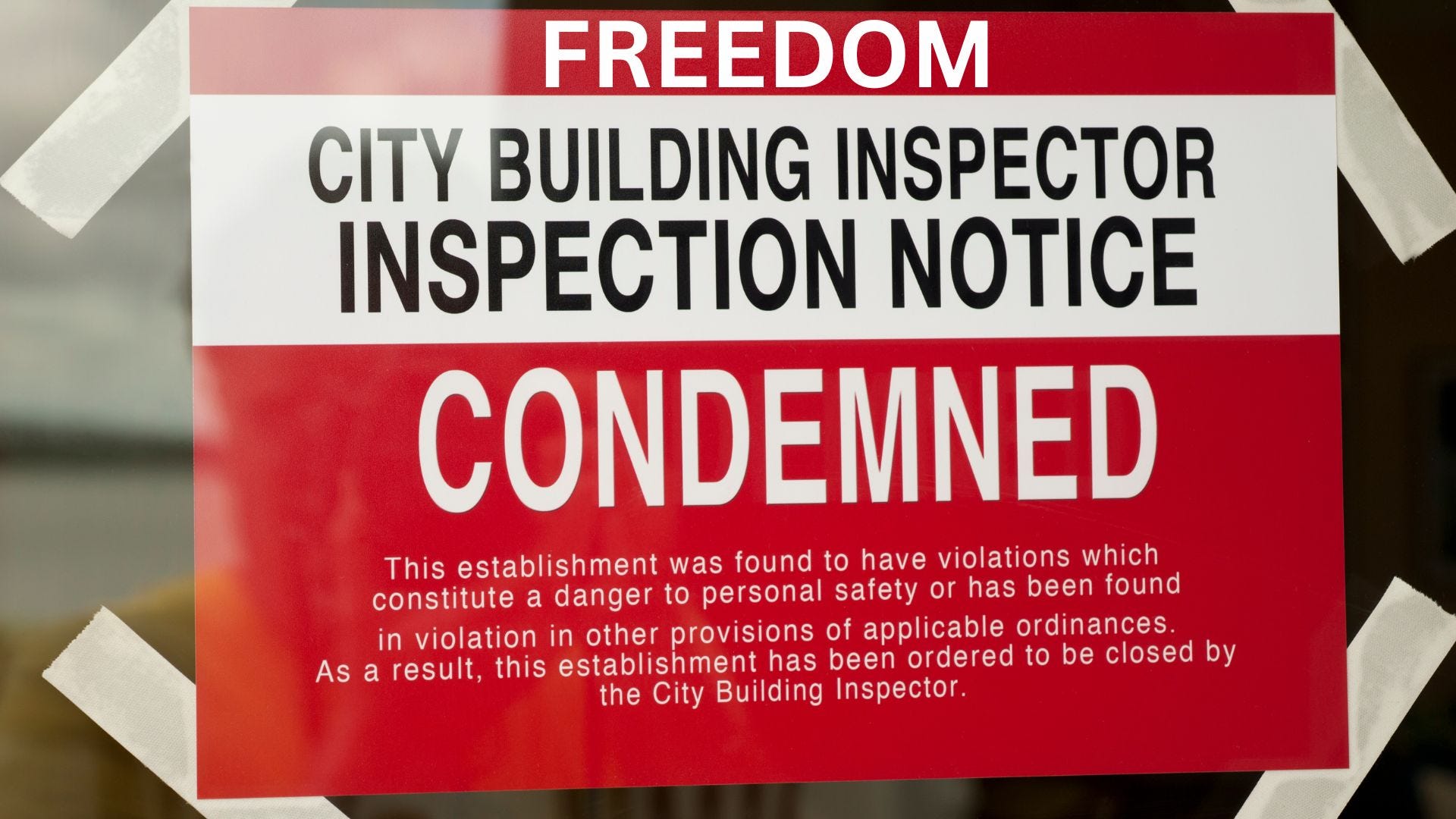
We begin with a seeming paradox: the condemnation of freedom. It is not a contradiction, but a reflection of our lived experience. We are told we are free, unbound, able to chart our own course. Yet, the structures of society, like subtle currents, often steer us towards the paths of least resistance, the routes of convenience. Technology, heralded as a liberator from drudgery, can ironically become another form of constraint. As Hannah Arendt observed, our free time can be easily colonized by the allure of passive consumption, drawn like moths to the flickering screens of media that titillate, occupy, and ultimately, stupefy.
As children, we instinctively grasp the boundless potential of emergence, the joy of becoming. But this innate sense of freedom often collides with the rigid framework of education, a system that, for all its merits, often prioritizes conditioning over genuine learning. This early encounter with societal structures can leave us vulnerable to the siren song of "smile solutions"—reductionist answers to complex problems. We apply symbolic tourniquets to stem the societal bleeding, ignoring the deeper malaise that afflicts the body politic.
It would be hard to say whether the jukebox caused the death of human speech or whether music came to fill an already widening void.
But unless the music is stopped now, the human race, mumbling, snapping its fingers and twitching it’s hips, will sink back into an amoebic state where it will take a coagulation of hundreds of teenagers to make up a single unit of vital force, which, once formed, will only live on sedatives, consume itself on the terraces of football stadia, and die.
The crux of our dilemma, I believe, lies in our struggle to wield our freedom purposefully. I recently witnessed this firsthand, helping a colleague grapple with his own sense of direction. His efforts to articulate a purpose took on the hollow ring of a corporate mission statement, a testament to the sociological straightjacket that constrains us. Finding one's purpose is but the first step. Unless we actively reshape the societal structures that emasculate purpose, we should not be surprised when our collective tension mounts. We cling to the familiar, even as it becomes increasingly extreme and ineffectual, becoming, as Quentin Crisp so eloquently put it, "that ineffectual collection of human force."
From the edge, where I often find myself, this tension is palpable. But it also offers a unique vantage point. It allows us to see the common threads that bind us, even across seemingly disparate experiences. It calls on us, the residents of the edge, to act as conduits, connecting those who feel lost or constrained with the possibility of a more meaningful existence. This journey towards purpose is not a guarantee of success, but it is, in itself, an act of defiance against the condemnation of freedom. It is a step towards inner sufficiency, a goal that, in my experience, is always worth striving for.