

There's a scene in the film "The Candidate" that's been playing on repeat in my mind lately. Robert Redford portrays Bill McKay, an idealistic lawyer deeply committed to grassroots activism. Peter Boyle (no relation!) plays Marvin Lucas, a seasoned political consultant who spots McKay's potential. Lucas needs a Democratic candidate to challenge an entrenched Republican senator in California. McKay is initially reluctant, but Lucas paints a seductive vision: a campaign fueled by genuine passion, a platform for real change.
But as the campaign progresses, something shifts. Lucas, ever the pragmatist, begins to hone McKay's message, to distill it into easily digestible sound bites. McKay, initially resistant, gradually becomes reliant on Lucas's strategic guidance, almost outsourcing his own voice. He finds himself reciting lines, playing a role. The initial fire of his idealism is slowly banked by the demands of political expediency.
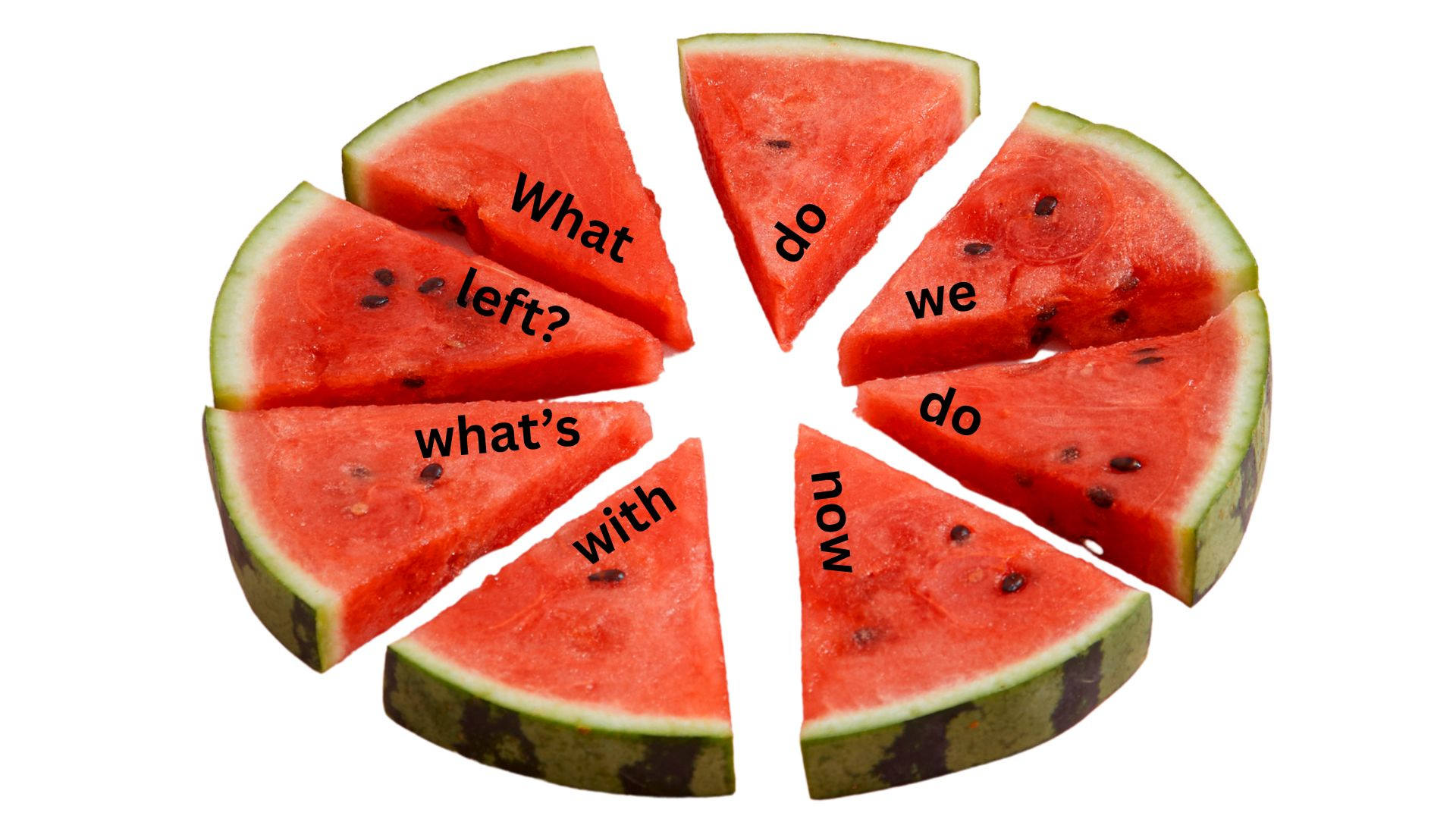
The film culminates with McKay's unexpected victory. In the final scene, he turns to Lucas, a flicker of panic in his eyes, and asks, "What do we do now?" It's a haunting question, a stark acknowledgment of the potential disconnect between winning the race and achieving the initial goals.
Lately, I've felt a similar sense of displacement, a feeling of being subtly nudged into a pre-defined role, where my own initiative is reshaped to fit someone else's template of "efficiency."
The first instance involved a paper I developed last year, outlining a plan for local community financing to support sustainable businesses in my neighborhood. I poured my heart and soul into it, envisioning a tangible way to empower local entrepreneurs and foster a more resilient economy. An acquaintance, enthusiastic about the concept, suggested I submit it for a grant. The catch? The deadline was in six days.
I scrambled to adapt my work into a grant proposal, working late into the night. I sent the draft to my colleague for review, eager for constructive feedback. The response was deflating: "This is way too value-driven and too long." What followed was a whirlwind of revisions, not by me, but to my document. The original vision, the passion that had fueled its creation, was systematically excised in the name of "streamlining." The final product was barely recognizable, a hollow shell of its former self. The offer: "You can use it if you want."
I submitted it, but my heart wasn't in it. The submission gods, in their infinite wisdom, spared me the agony of further involvement. The grant was declined.
The second experience centered on an initiative to empower marginalized groups. I initiated discussions, brought together a diverse group of stakeholders from across Europe, and began to shape a funding proposal. Then, an organization specializing in securing EU funding stepped in. Suddenly, the collaborative, organic process I had envisioned was replaced by a rigid, bureaucratic procedure. My original ideas were dissected, re-packaged, and squeezed into pre-determined boxes. The initiative, my initiative, became a line item in a complex spreadsheet. Once again, I found myself looking at a project that bore little resemblance to the seed I had planted.
In that moment of dissonance, I was reminded of a fundamental truth: we always have a choice. We may not always like the options presented to us, but the act of choosing remains. I made the difficult decision to withdraw from the project, to walk away from something I had initiated because its essence had been compromised.
And this, I believe, lies at the heart of the matter. There's something profoundly wrong when the pursuit of funding becomes such an all-consuming industry that genuine individual initiatives are shoehorned into a standardized straitjacket. The result is a loss of effectiveness, a dilution of purpose, and a chilling effect on the very concept of "initiative." The word itself takes on a foreboding tone, a warning that what begins as a spark of passion may end up as a soulless, committee-approved product.
p.s. Those who catch the pun in the graphic get a prize!